ChifEd Pulse · iPad and Android tablets

Rhythm warm-ups for music lessons

Quick clapping games and a magnet board that help students feel the beat, read rhythms and keep time together. You lead the lesson; Pulse keeps the beat.

Coming soon to the App Store and Google Play

No adverts, no accounts, no tracking.

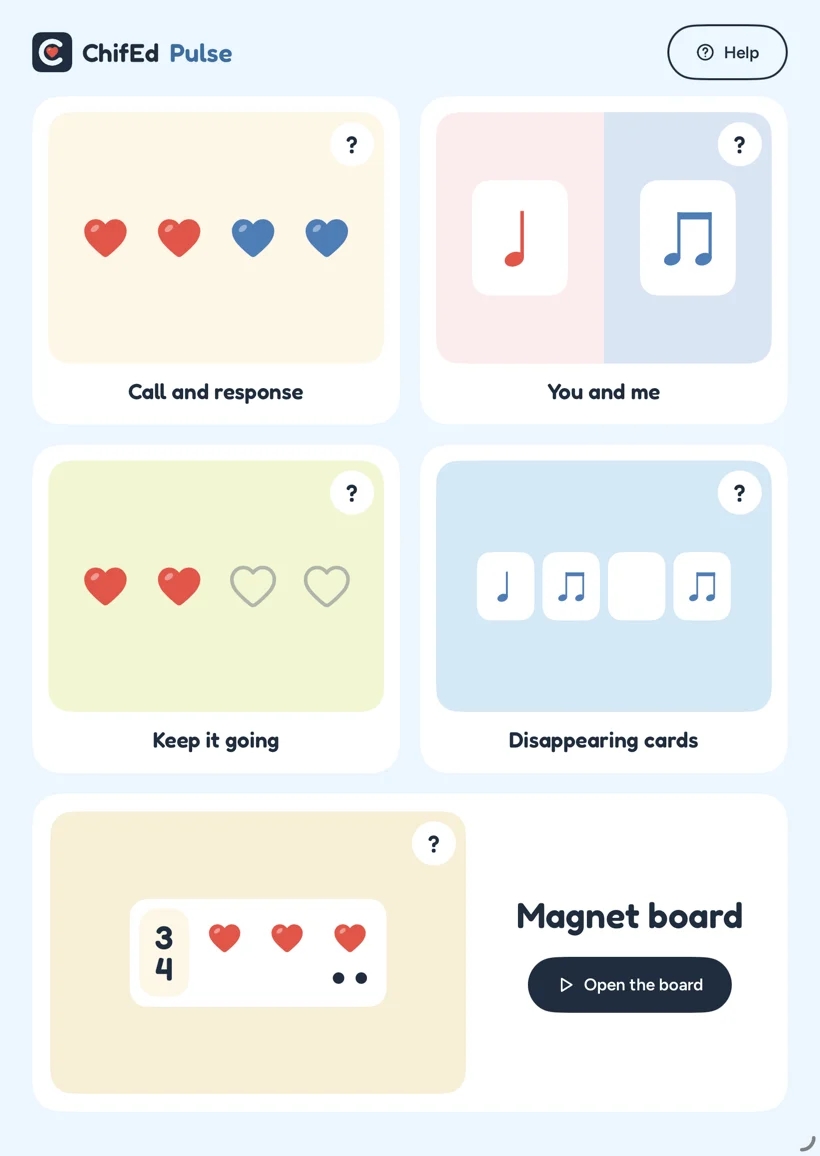
The ChifEd Pulse start screen on an iPad, showing Call and response, You and me, Keep it going, Disappearing cards and the Magnet board.

Inside Pulse

Five ways to practise rhythm together

Each activity takes seconds to set up and is big enough to follow from across the room. Use one to start a lesson, or whenever the class needs to get moving.

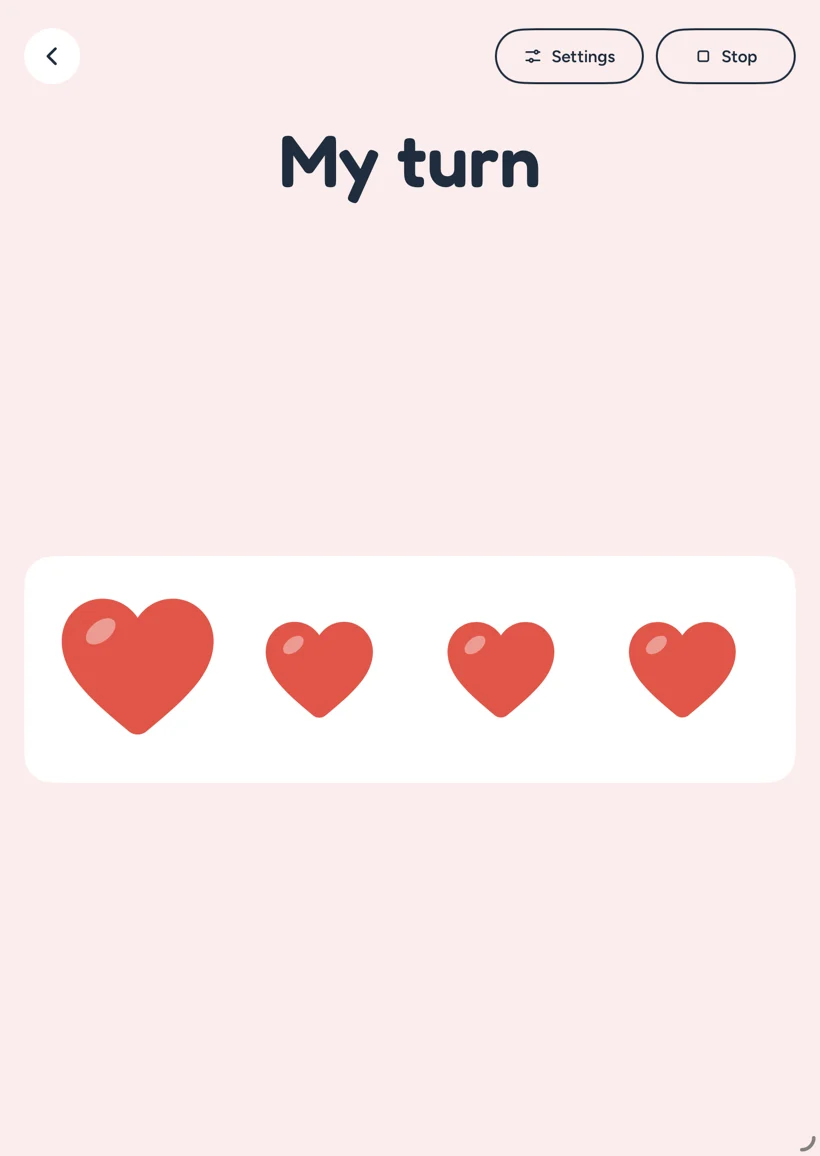
Call and response in Pulse: “My turn” above a row of beating hearts.

Call and response

A game of taking turns. The teacher claps a short rhythm, then the student answers: by clapping it straight back, or with a rhythm of their own. You take turns, again and again, while Pulse keeps the beat for you.

Why it helps

We learn rhythm the way we learn to talk: by ear first, by copying. To clap a rhythm back, the student has to listen closely, hold it in their memory and play it in time, all without the beat stopping. Rhythms they can copy by ear are the ones they’ll find easiest to read later, and answering with a rhythm of their own is a first step towards improvising.
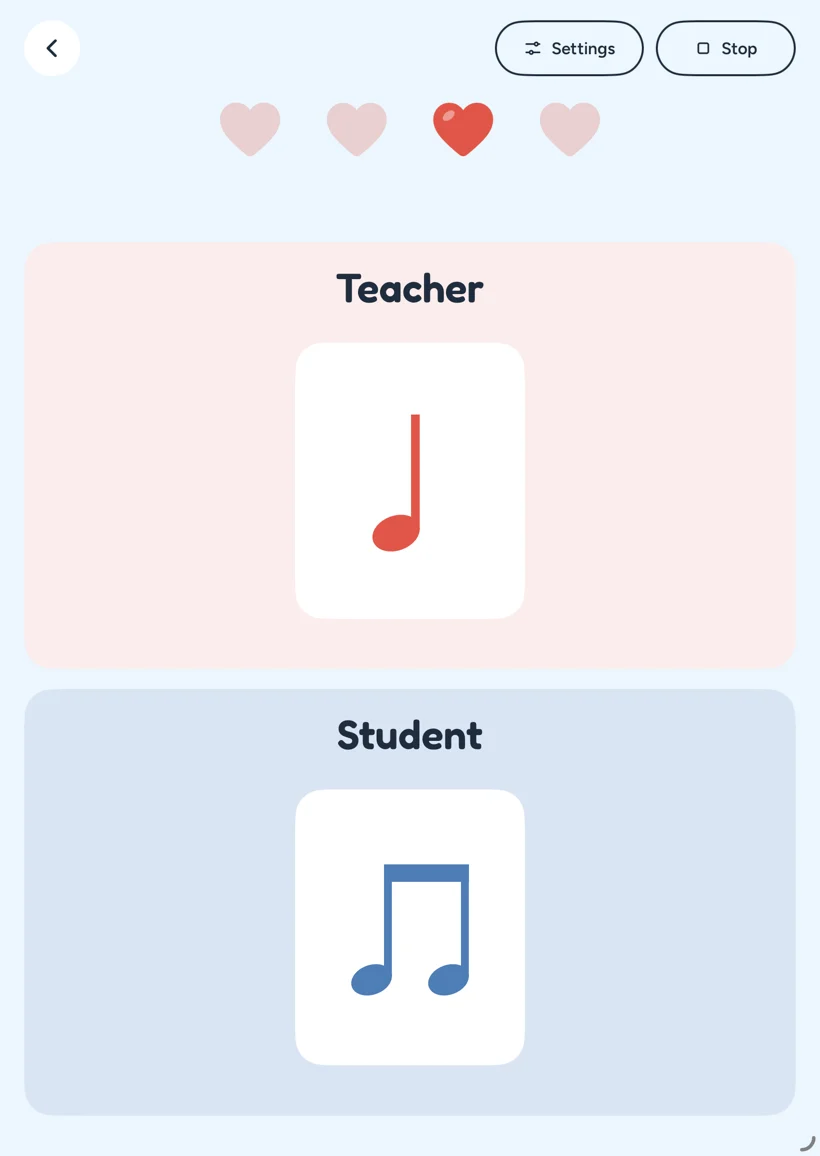
You and me in Pulse: the screen split between the teacher’s rhythm card and the student’s.

You and me

A clapping game for two, played at the same time. The screen is split in half: one side for the teacher, one for the student. Each of you claps the rhythm card on your own side, in time with the hearts at the top.

Why it helps

Holding your own part while someone next to you plays something different is the first step to playing in a group. Each card is one beat, so the student learns to read rhythms as whole beat patterns rather than note by note, and the warning bar trains them to read ahead, ready for the next card before it arrives.

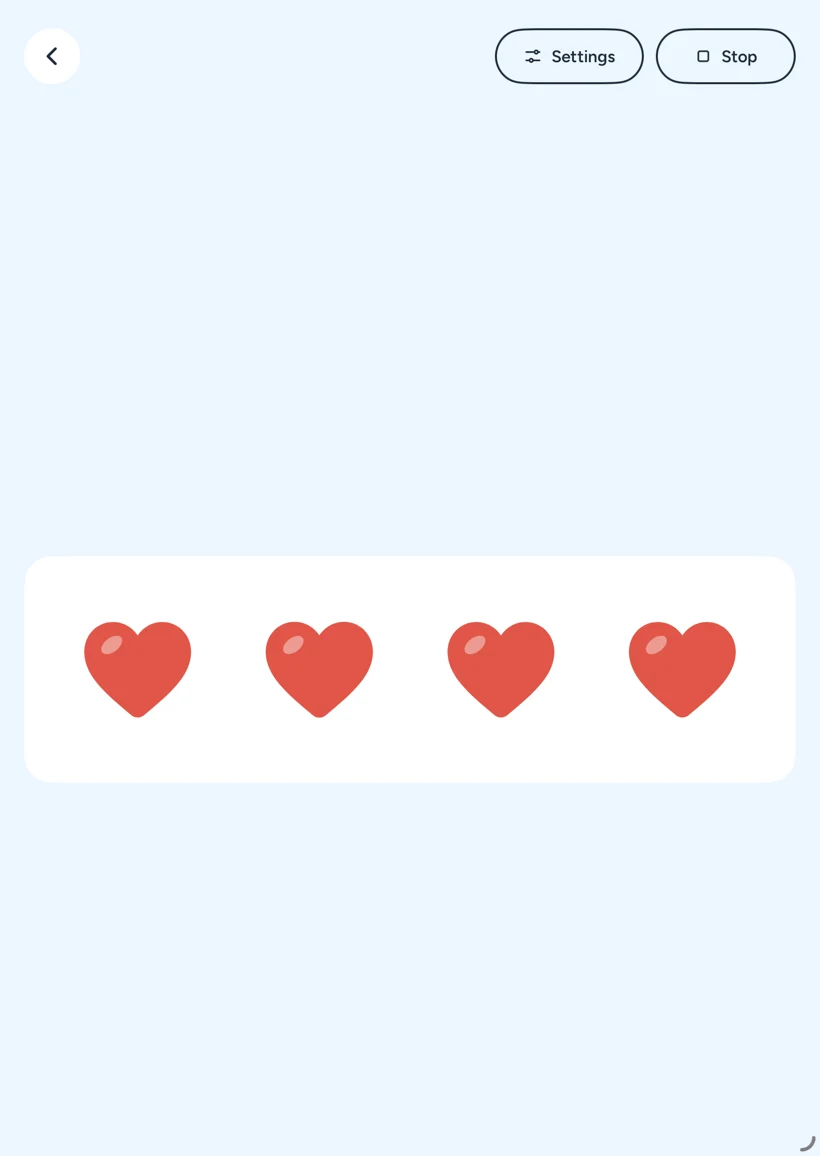
Keep it going in Pulse: a row of hearts showing the beat.

Keep it going

A game for keeping a steady beat. Pulse plays the beat for a few bars, then goes quiet. Everyone keeps clapping the beat on their own until it comes back in. Were you still together?

Why it helps

Every other rhythm skill is built on a steady beat, but it’s easy to lean on a metronome without noticing. Taking the beat away shows whether the student has internalised the beat, keeping it inside them with nothing to follow, and when it comes back in, everyone hears straight away whether they rushed, dragged or stayed with it.

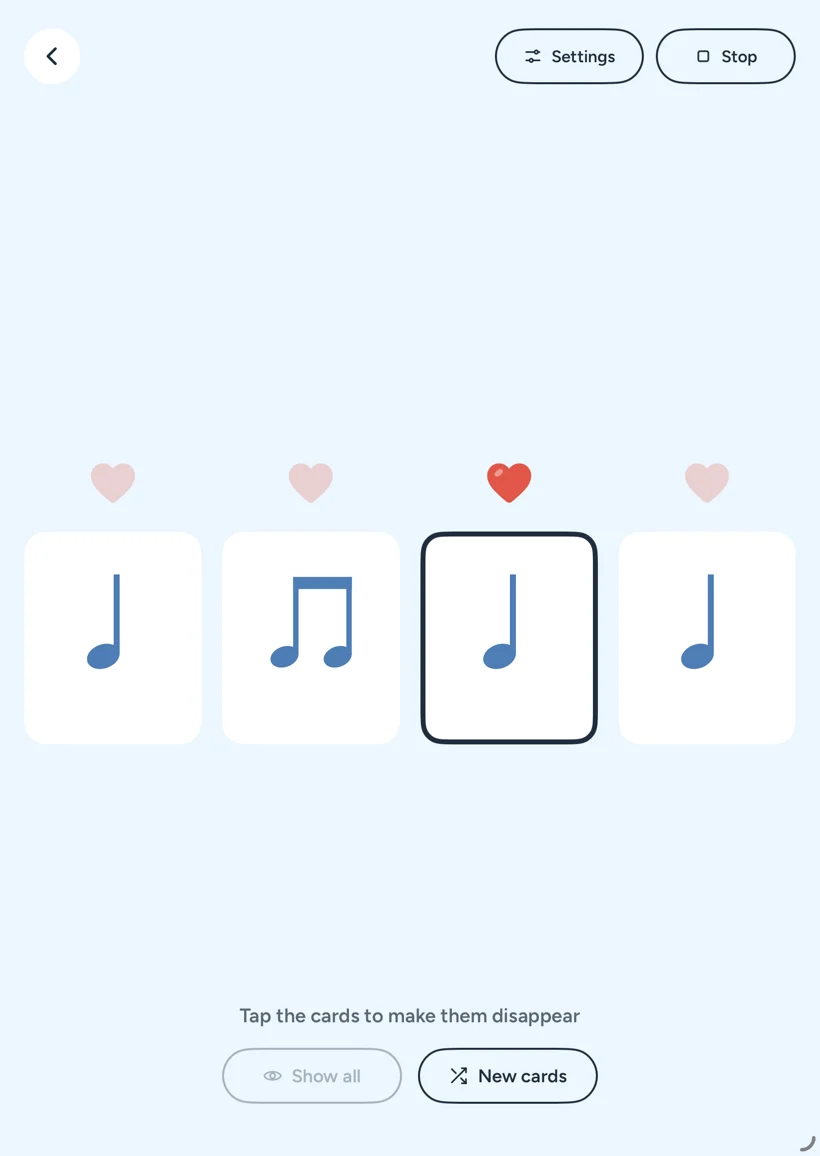
Disappearing cards in Pulse: a bar of four rhythm cards with the current beat highlighted.

Disappearing cards

A reading and memory game. A bar of rhythm cards goes round and round while you clap it. Whenever the teacher thinks you’re ready, they tap a card to make it disappear, until you’re clapping the whole bar from memory.

Why it helps

Reading the bar again and again builds fluency, and taking the cards away one at a time moves the rhythm from the page into the student’s memory in small steps they can manage. By the end they’re hearing the rhythm in their head, not just working it out from the cards: the skill that lets musicians read ahead and play from memory.

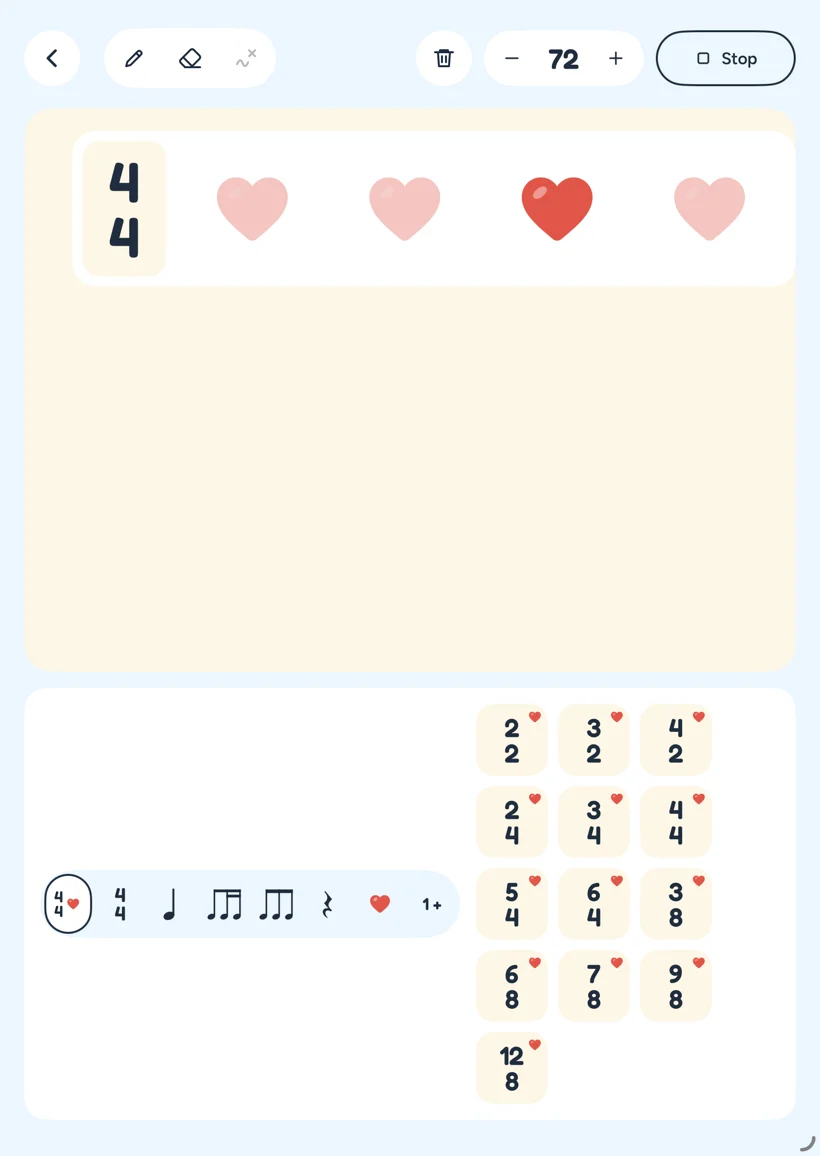
The Magnet board in Pulse: a bar of 4/4 with four hearts, and a tray of time signatures and notes.

Magnet board

A board for explaining rhythm. Drag time signatures, notes and hearts onto it; hearts split into the divisions of the beat and beat in time, while the notes stay silent for the class to clap.

Why it helps

Rhythm makes sense when students can see the beat. The hearts make the pulse visible, and the dots show how each beat divides, so a note’s value becomes how many sounds it makes on a beat rather than a name to learn. Nothing snaps into the right answer, so you can build something wrong on purpose and ask the class what’s wrong, and why.

Made for lessons

Simple enough to use mid-lesson

Easy to see

Big hearts and rhythm cards that a whole class can follow from across the room.

Every time signature

Simple and compound time, from 2/2 to 12/8, with rests, dotted notes and triplets.

Your tempo

Choose the speed with a slider, or tap it in.

Works offline

No internet needed. Pulse makes its sounds on the device, so it works in any classroom.

Private by design

No accounts, adverts or tracking. Pulse collects no personal information.

In five languages

English, Spanish, French, Portuguese and German, following your device’s language.

Pulse keeps the beat, so you can watch, listen and teach.

Assist, never replace: the one rule ChifEd builds by.

Questions

Frequently asked questions

Who is Pulse for?

Music teachers and their students. Use it in one-to-one lessons, with small groups or with a whole class: the teacher leads, and Pulse keeps the beat and makes it visible.

Which devices does Pulse run on?

iPads with iPadOS 18 or later, and Android tablets with Android 8.0 or later.

When can I get it?

Pulse is coming soon to the App Store and Google Play. This page will link to both as soon as it’s out.

Does it need the internet or an account?

No. Pulse works offline, there’s nothing to sign up for, and it collects no personal information. Read the privacy policy.

Which languages is Pulse in?

English, Spanish, French, Portuguese and German. It follows your device’s language.

Can I suggest an idea?

Yes, please. Email support@chifed.com and a person will reply.

Coming soon

Pulse is nearly ready.

It’s coming soon to iPad and Android tablets. Questions or ideas? We’d love to hear from you.

hello@chifed.com